

Your Journey to Becoming a Pilot Starts Here.
Train under a disciplined safety culture, build core airmanship from day one, and progress through a structured pathway designed for airline readiness. Train with experienced instructors, fly our fleets, and earn internationally recognized pilot qualifications at BIFA. Our programs combine ground school, cockpit training and standardised operating procedures to develop sound decision-making, situational awareness and professional cockpit discipline.

Aviation Training Excellence — Proven Over 15 Years
With over 15 years of safe operations, BIFA focuses on producing pilots who are competent, resilient and operationally prepared—well beyond the minimum licence requirements. BIFA is Indonesia’s premier private flight academy, backed by 15 years of safe operations and a strong graduate placement record with leading airlines worldwide.
BALI INTERNATIONAL FLIGHT ACADEMY
Developing Professional Pilots for the Future of Aviation.
BIFA provides structured pilot training designed to develop safe, competent, and operationally prepared aviation professionals. Our training pathway builds core airmanship from day one, supported by disciplined instruction, standardised operating procedures, safety-led oversight, and progressive flight training. Cadets are guided by experienced instructors through a curriculum designed to support readiness for airline selection, multi-crew operations, and long-term aviation careers.
BALI INTERNATIONAL FLIGHT ACADEMY
Developing Professional Pilots for the Future of Aviation.
BIFA provides structured pilot training designed to develop safe, competent, and operationally prepared aviation professionals. Our training pathway builds core airmanship from day one, supported by disciplined instruction, standardised operating procedures, safety-led oversight, and progressive flight training. Cadets are guided by experienced instructors through a curriculum designed to support readiness for airline selection, multi-crew operations, and long-term aviation careers.
TRAIN WITH PURPOSE.
A career in aviation begins with the right training environment.
BIFA provides a structured and professionally managed training pathway for aspiring pilots, combining academic learning, practical flight experience, and disciplined operational standards. From the first lesson to advanced flight qualifications, every stage of training is designed to develop confidence, capability, and professional judgement.
TRAIN WITH PURPOSE.
A career in aviation begins with the right training environment.
BIFA provides a structured and professionally managed training pathway for aspiring pilots, combining academic learning, practical flight experience, and disciplined operational standards. From the first lesson to advanced flight qualifications, every stage of training is designed to develop confidence, capability, and professional judgement.
INSTITUTIONAL TRAINING EXPERIENCE
With more than 15 years of safe operations, BIFA has established a strong reputation as one of Indonesia’s leading private flight academies.
Our focus extends beyond minimum licensing requirements. We aim to develop pilots with sound technical knowledge, professional cockpit discipline, situational awareness, decision-making capability, and the resilience required in real-world aviation environments.
BIFA’s graduate outcomes are supported by integrated training delivery, structured mentoring, robust safety oversight, and a proven track record of graduates progressing into leading airlines in Indonesia and internationally.
Fly Higher. Train Smarter. Be a Professional Pilot.
AIRLINE-ORIENTED TRAINING FRAMEWORK
BIFA’s training programs are aligned with international aviation standards and designed to prepare cadets for the expectations of modern airline operations.
Our training approach integrates ground school, flight training, simulator-based learning, standard operating procedures, and safety management principles. This ensures cadets develop both the technical competence and professional mindset required for progression into multi-crew and airline environments.
The curriculum places strong emphasis on :
- Core airmanship
- Standardised operating procedures
- Professional cockpit discipline
- Situational awareness
- Decision-making under operational conditions
- Crew cooperation principles
- Safety management practices
- Airline selection and line training readiness
STRATEGIC TRAINING LOCATIONS
BIFA operates from strategically located training bases in Banyuwangi, East Java, Buleleng, Bali and Lombok.
These locations provide favourable weather conditions, diverse flight routes, and varied operational environments, enabling cadets to gain practical flying experience while supporting reliable scheduling and consistent training progression.
Our training infrastructure and fleet availability are designed to support efficient program delivery and structured cadet development.
SAFETY-LED OPERATING CULTURE
Our training environment is supported by disciplined procedures, standardised instruction, maintenance oversight, airworthiness controls, and safety management practices. These elements work together to ensure consistent training quality and operational reliability.
BIFA’s objective is to produce pilots who understand safety not only as a regulatory requirement, but as a professional operating mindset.
OUR COMMITMENT
Building Airline-Ready Pilots Through Safety, Discipline, and Excellence
BIFA is committed to delivering measurable training outcomes through a structured, professional, and safety-driven approach.
We prepare cadets to meet the evolving demands of the aviation industry by developing technical proficiency, operational awareness, cockpit discipline, and professional judgement.
Every stage of the our training pathway is designed to build capability, confidence, and readiness for the cockpit of tomorrow.
BIFA — A Structured Pathway to Professional Aviation Careers
With ICAO-aligned training principles, experienced instructors, structured facilities, and strong industry relationships, BIFA continues to contribute to the development of professional pilots for Indonesia and the wider aviation sector.
Our cadets are trained not only to fly, but to operate with discipline, think with clarity, and perform with the professionalism expected of future airline pilots.
A clear, competency-based training roadmap that keeps your progression predictable—ground theory and flight training developed together, stage by stage.
An integrated curriculum that builds knowledge and skills in parallel—supporting efficient progression from private privileges to commercial standards and instrument competency.
Over 800 BIFA graduates are flying with domestic and international airlines. Our alumni network reflects consistent training standards and a focus on employability, with many graduates progressing into airline and corporate aviation operations.
Training programs are tailored to meet airline competency requirements. Training is benchmarked to operational competencies such as threat-and-error management, SOP discipline, workload management and sound aeronautical decision-making.
Curriculum aligned with ICAO Annex 1 and CASR Part 141, approved by the Indonesian DGCA. All training is delivered within an approved regulatory framework, with standardised syllabi, documented training records and quality assurance to support consistent outcomes.
A capacity-backed fleet supports reliable scheduling, consistent aircraft availability and continuity of training—reducing disruptions and protecting your training momentum.
A clear, competency-based training roadmap that keeps your progression predictable—ground theory and flight training developed together, stage by stage.
An integrated curriculum that builds knowledge and skills in parallel—supporting efficient progression from private privileges to commercial standards and instrument competency.
Over 800 BIFA graduates are flying with domestic and international airlines. Our alumni network reflects consistent training standards and a focus on employability, with many graduates progressing into airline and corporate aviation operations.
Training programs are tailored to meet airline competency requirements. Training is benchmarked to operational competencies such as threat-and-error management, SOP discipline, workload management and sound aeronautical decision-making.
Curriculum aligned with ICAO Annex 1 and CASR Part 141, approved by the Indonesian DGCA. All training is delivered within an approved regulatory framework, with standardised syllabi, documented training records and quality assurance to support consistent outcomes.
A capacity-backed fleet supports reliable scheduling, consistent aircraft availability and continuity of training—reducing disruptions and protecting your training momentum.
Fly Higher. Train Smarter. Be a Professional Pilot.
BIFA Programs
BIFA Programs

Foundations first: airmanship, awareness, and control.
A structured entry pathway that develops core handling skills, VFR navigation, radio communication, and sound decision-making. Training emphasises safety, situational awareness, and consistent aircraft control—progressing from ab initio instruction through circuit competence to independent solo operations.

Train like a professional—fly with professional discipline.
Competency-based commercial training focused on precision, judgement, and consistency. You will refine normal and abnormal procedures, flight planning, threat and error management (TEM), and operational discipline—preparing you to operate as a professional pilot in varied environments and higher workload conditions.

Procedures, precision, and professionalism—under the hood and beyond.
Develop the skills to operate safely and accurately in the instrument environment. Training focuses on IFR procedures, approach discipline, situational awareness, cockpit workload management, and decision-making—building repeatable performance in reduced visibility and complex airspace.

Command multi-engine operations with discipline.
Transition to multi-engine operations with an emphasis on systems management, asymmetric handling, performance planning, and operational judgement. Training builds confidence in normal/abnormal scenarios and reinforces procedural standards expected in multi-engine commercial operations.

Readiness for Airline Pathways.
Comprehensive Airline Transport Pilot Licence (ATPL) theory preparation designed to strengthen operational knowledge, systems understanding, and performance-based thinking. The program reinforces disciplined study structure and exam readiness while building the technical foundation that supports airline selection processes and future type-rating training.
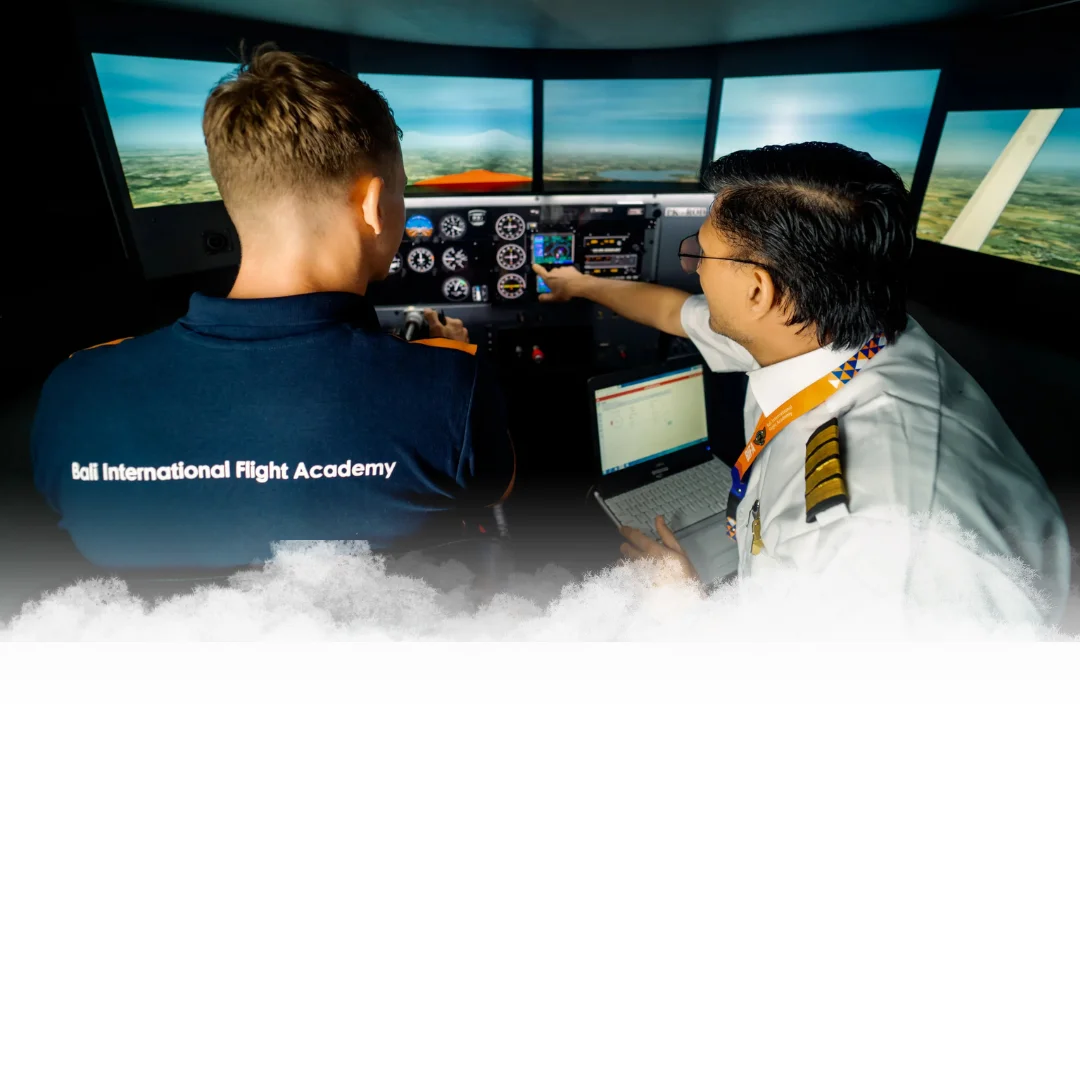
Built on safety leadership.
Instructor training that builds effective teaching methodology, briefing or debriefing skills, risk management, and safety leadership. Emphasis is placed on standardisation, clear instructional communication, & professionalism equipping you to mentor developing pilots and uphold consistent training outcomes.
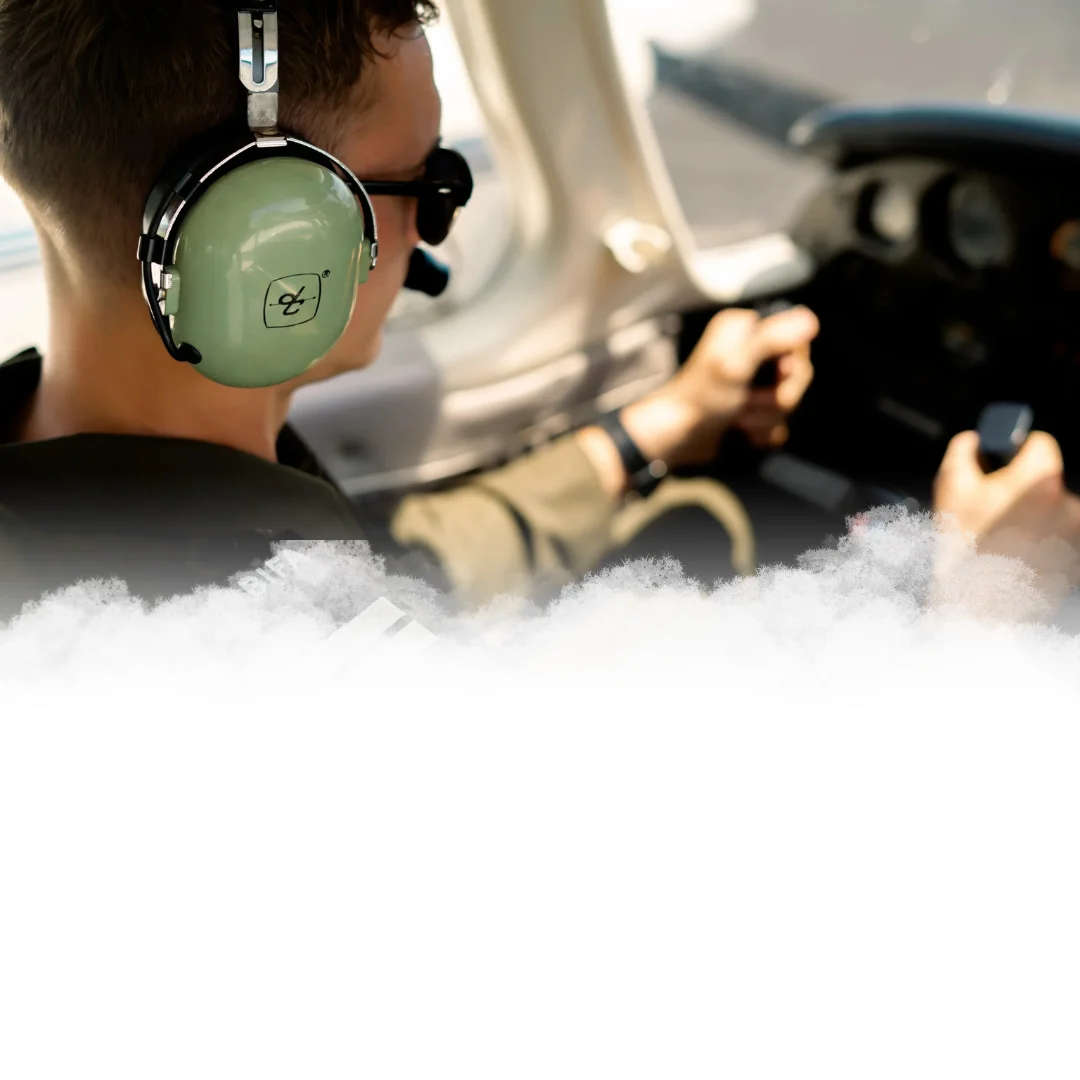
Streamlined local certification, A clear pathway to Indonesian licensing.
A guided program supporting regulatory requirements, local procedures, airspace familiarisation, and operational standards—so you can transition smoothly into Indonesian aviation. Training focuses on compliance, standard operating practices, and practical readiness for local flying environments.
BIFA Programs
World-class training, trusted by airlines, designed for your future in aviation.
Selection Process

Psychomotoric by DISPSIAU

English Test, by International Test Center (ITC)

Medical Examination by Balai Kesehatan Perhubungan Udara

Interview session conducted by BIFA Team to assess the candidate’s qualifications
ADVANCED PROGRAM
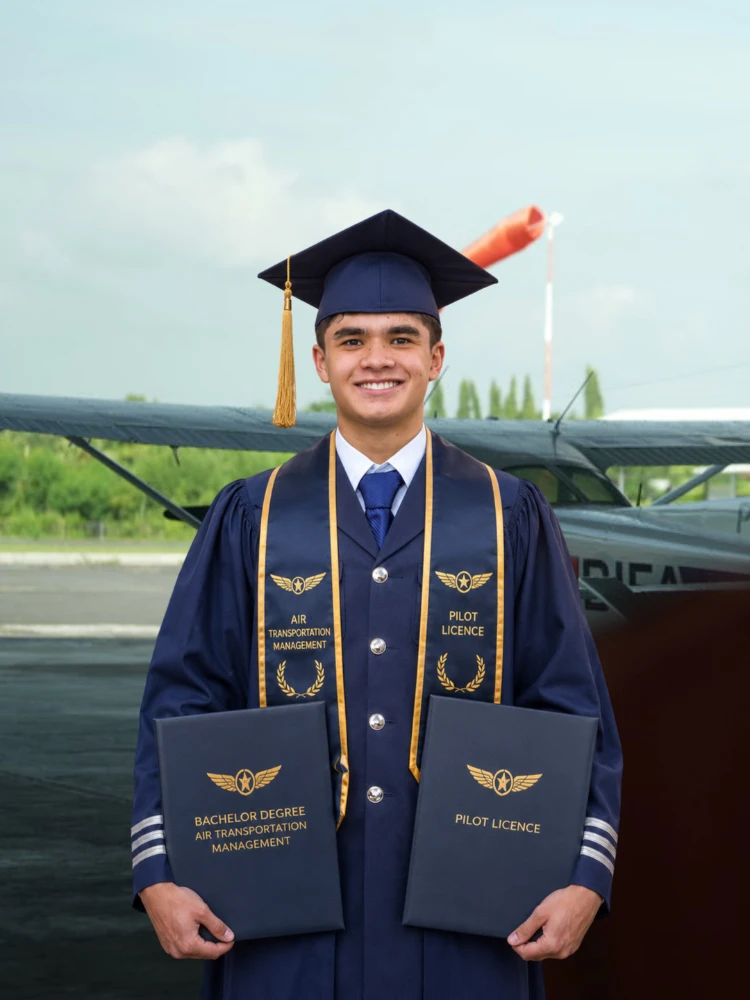
Bachelor Degree in Aviation Management
If you want a successful career in the aviation industry, our Bachelor Degree (S1) in Air Transport Management with Commercial Pilot Training is for you. You’ll focus on both the operational and commercial aspects of airline and logistic operations, and develop the skills needed for the fast-paced, global industry.
The aims of the course is to prepare students to undertake research, further study and continue with lifelong learning by developing their intellectual, problem solving and key skills.
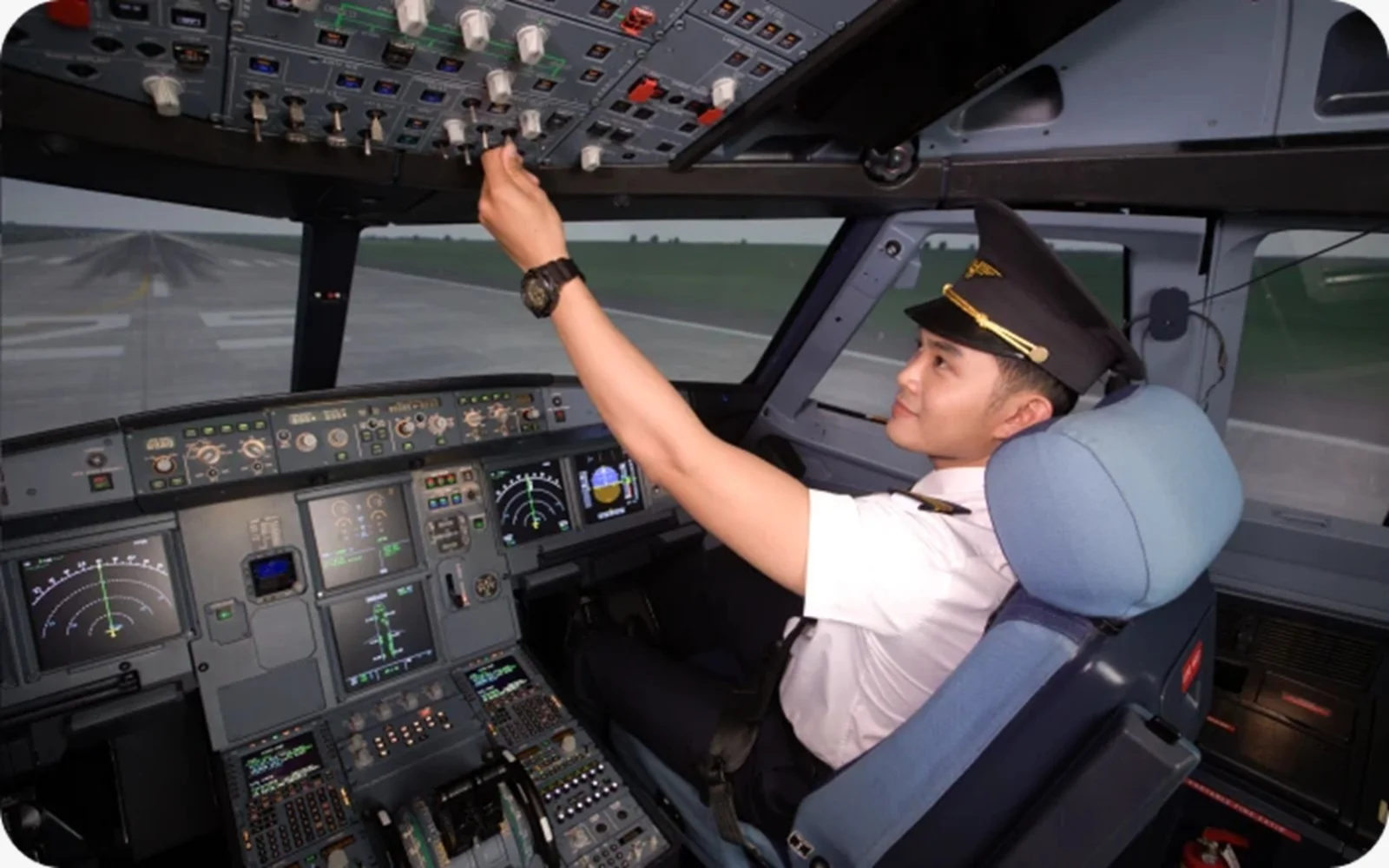
A320 Aircraft Type Rating
The course is aimed at candidates, already pilots in the field of aviation, who have set a goal to occupy a position in the cockpit of a large commercial aircraft in a short period of time, with a guaranteed career and development as airline pilots. The A320 Type Rating Course is a program designed exclusively by active pilots of world-wide airlines, members of evaluation and pilot selection committees, as well as airline pilot instructors and evaluators. The A320 Type Rating Course provides in- depth training on the cutting-edge systems of the Airbus A320, which is at the forefront of commercial air transport.
Our objective is to train pilots to a high standard of proficiency so they can safely operate the Airbus A320 in real-world flight settings, offering the most effective training services available.
Selection Process
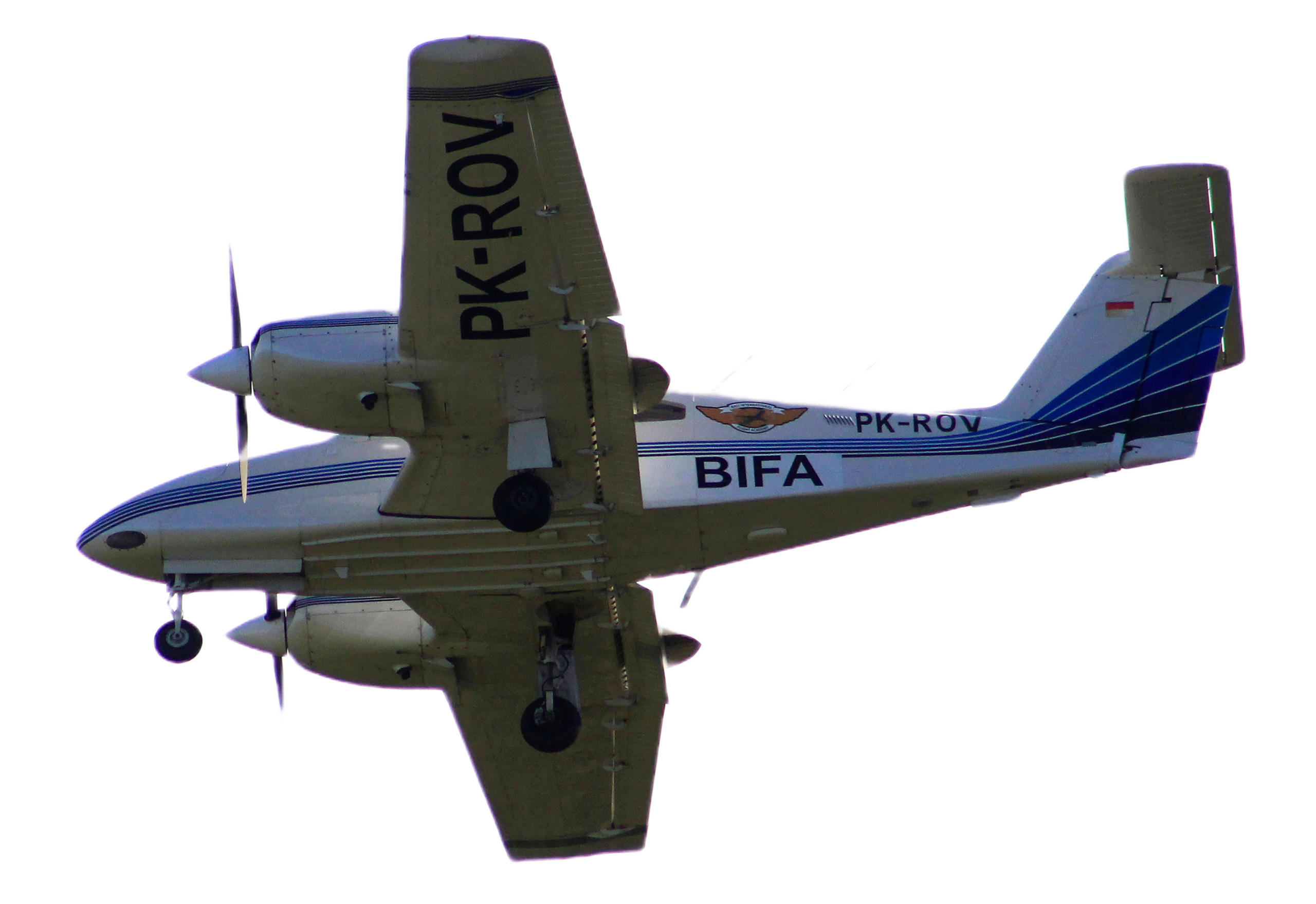
Psychomotoric - oleh DISPSIAU
English Test, by International Test Center (ITC)
Medical Examination, by Balai Kesehatan Perhubungan Udara
Interview, by BIFA Team
ADVANCED PROGRAM
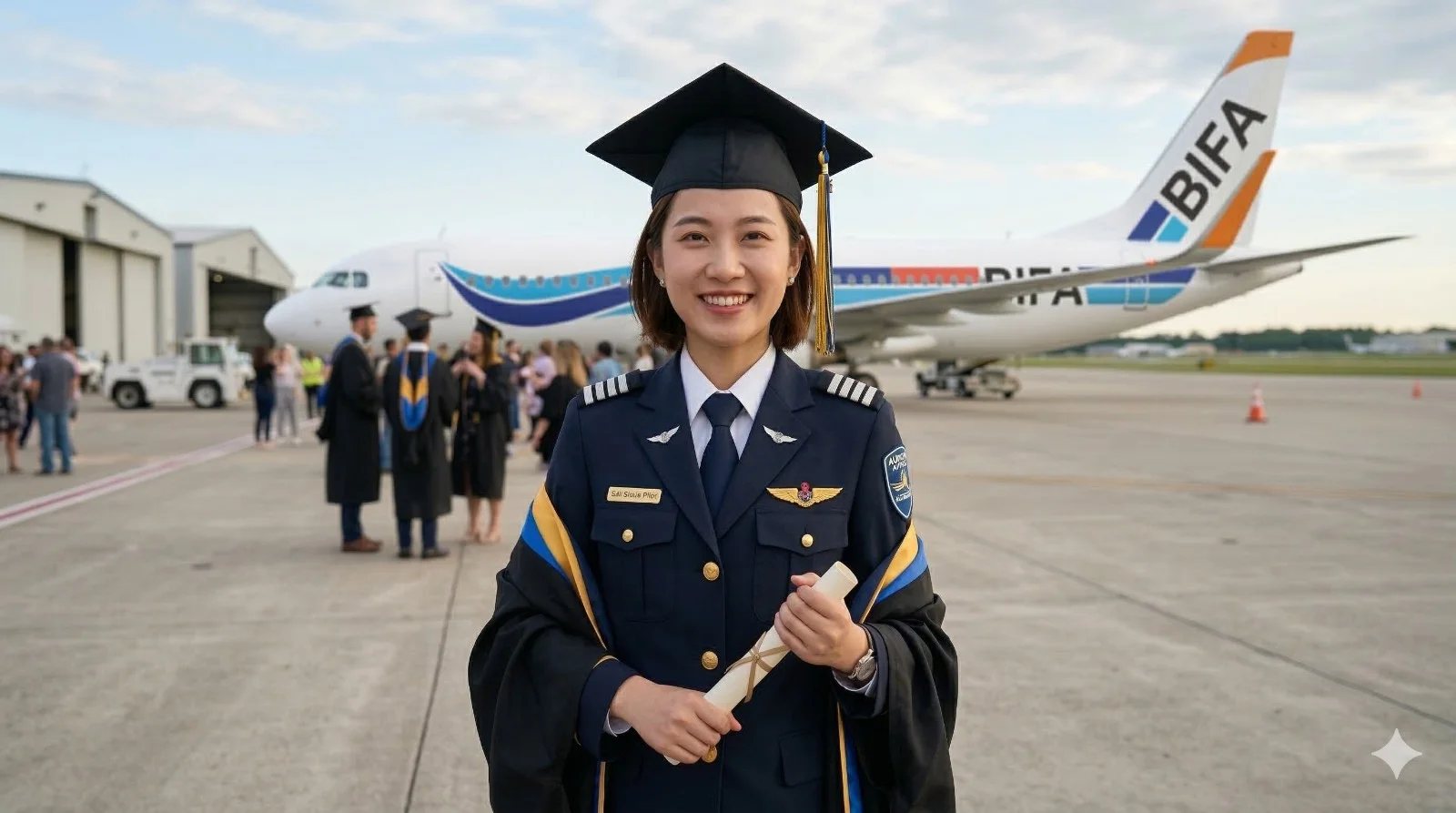
Bachelor Degree in Aviation Management
If you want a successful career in the aviation industry, our Bachelor Degree (S1) in Air Transport Management with Commercial Pilot Training is for you. You’ll focus on both the operational and commercial aspects of airline and logistic operations, and develop the skills needed for the fast-paced, global industry.
The aims of the course is to prepare students to undertake research, further study and continue with lifelong learning by developing their intellectual, problem solving and key skills.
A320 Aircraft Type Rating
The course is aimed at candidates, already pilots in the field of aviation, who have set a goal to occupy a position in the cockpit of a large commercial aircraft in a short period of time, with a guaranteed career and development as airline pilots. The A320 Type Rating Course is a program designed exclusively by active pilots of world-wide airlines, members of evaluation and pilot selection committees, as well as airline pilot instructors and evaluators. The A320 Type Rating Course provides in- depth training on the cutting-edge systems of the Airbus A320, which is at the forefront of commercial air transport.
Our objective is to train pilots to a high standard of proficiency so they can safely operate the Airbus A320 in real-world flight settings, offering the most effective training services available.
Facility
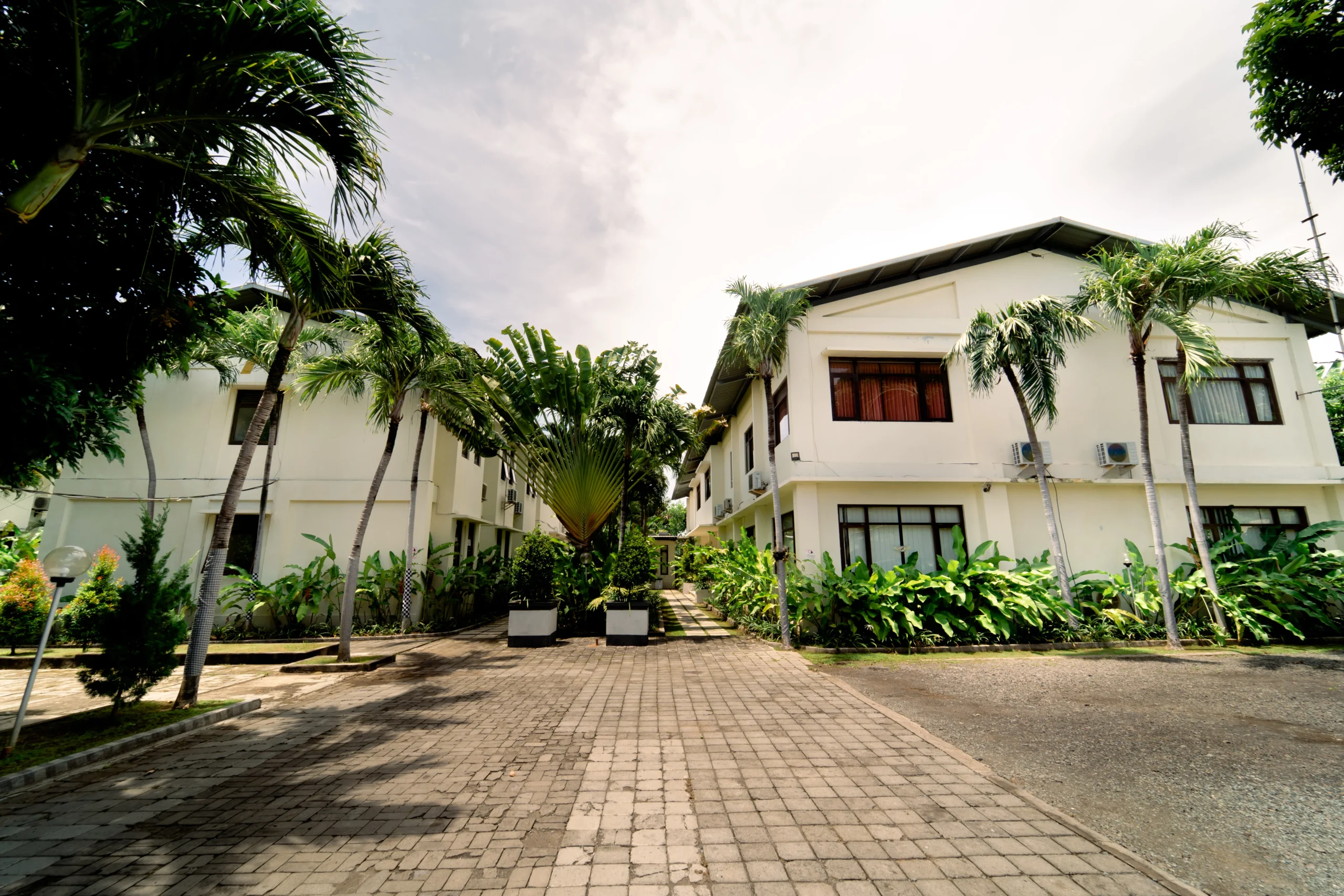

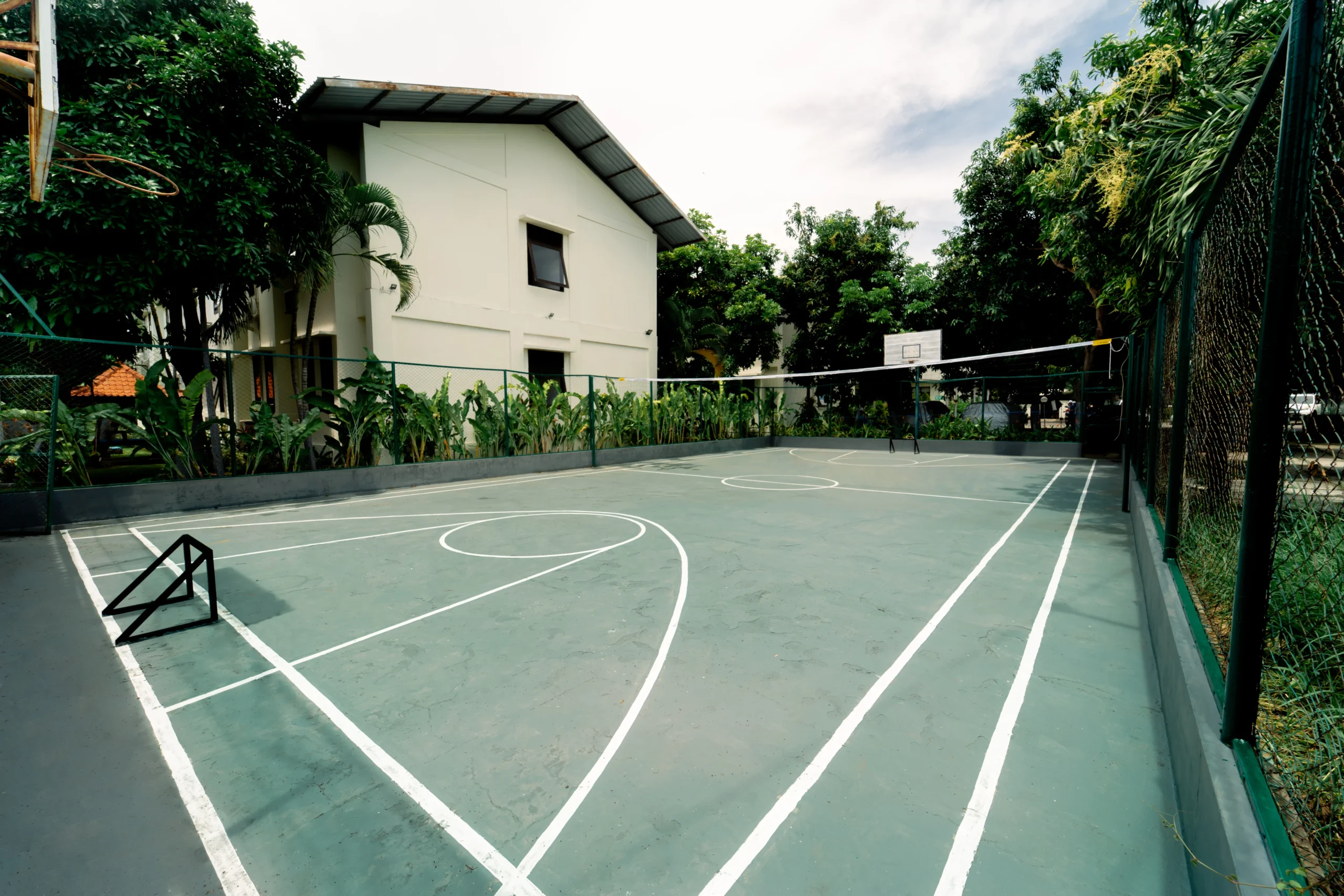
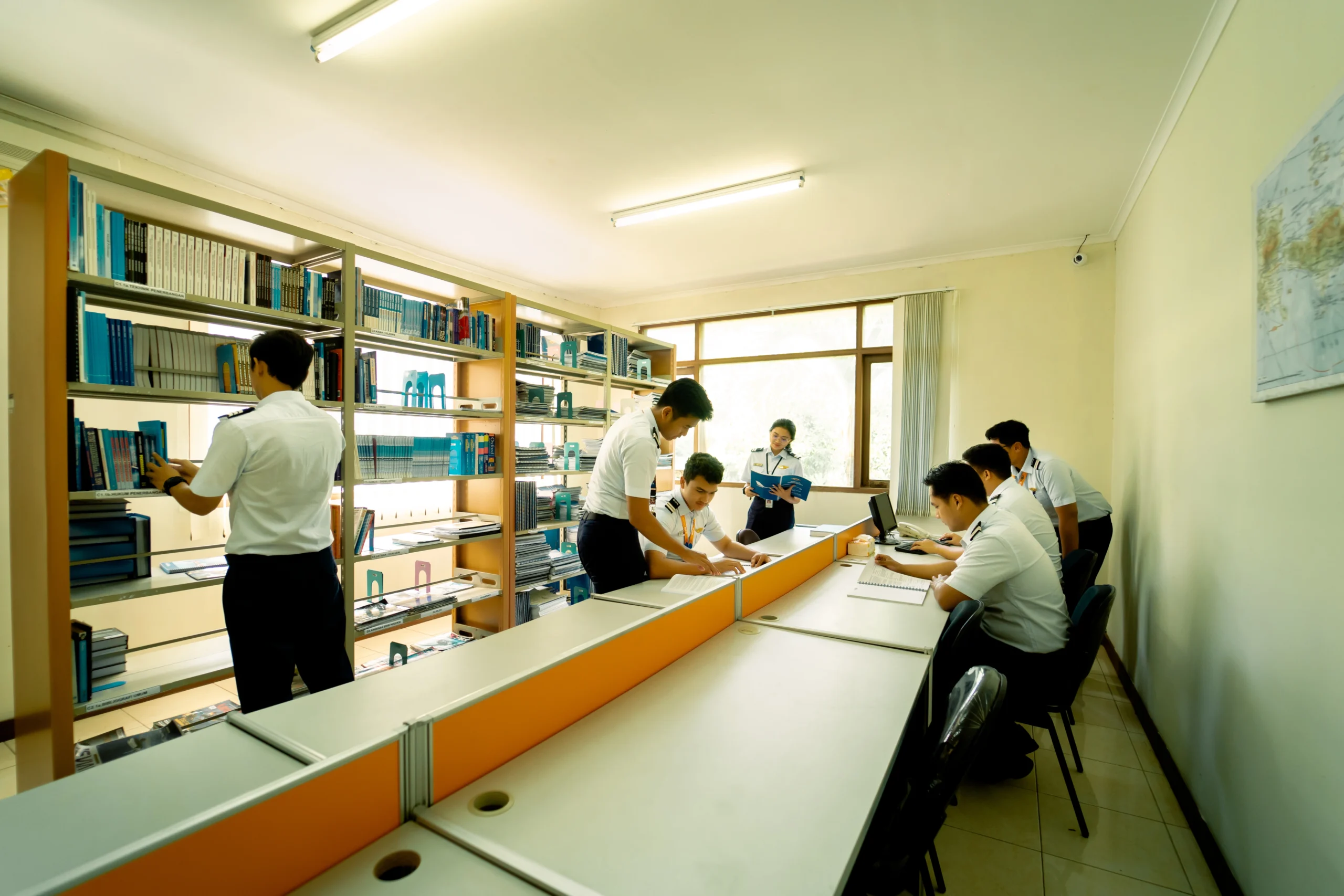
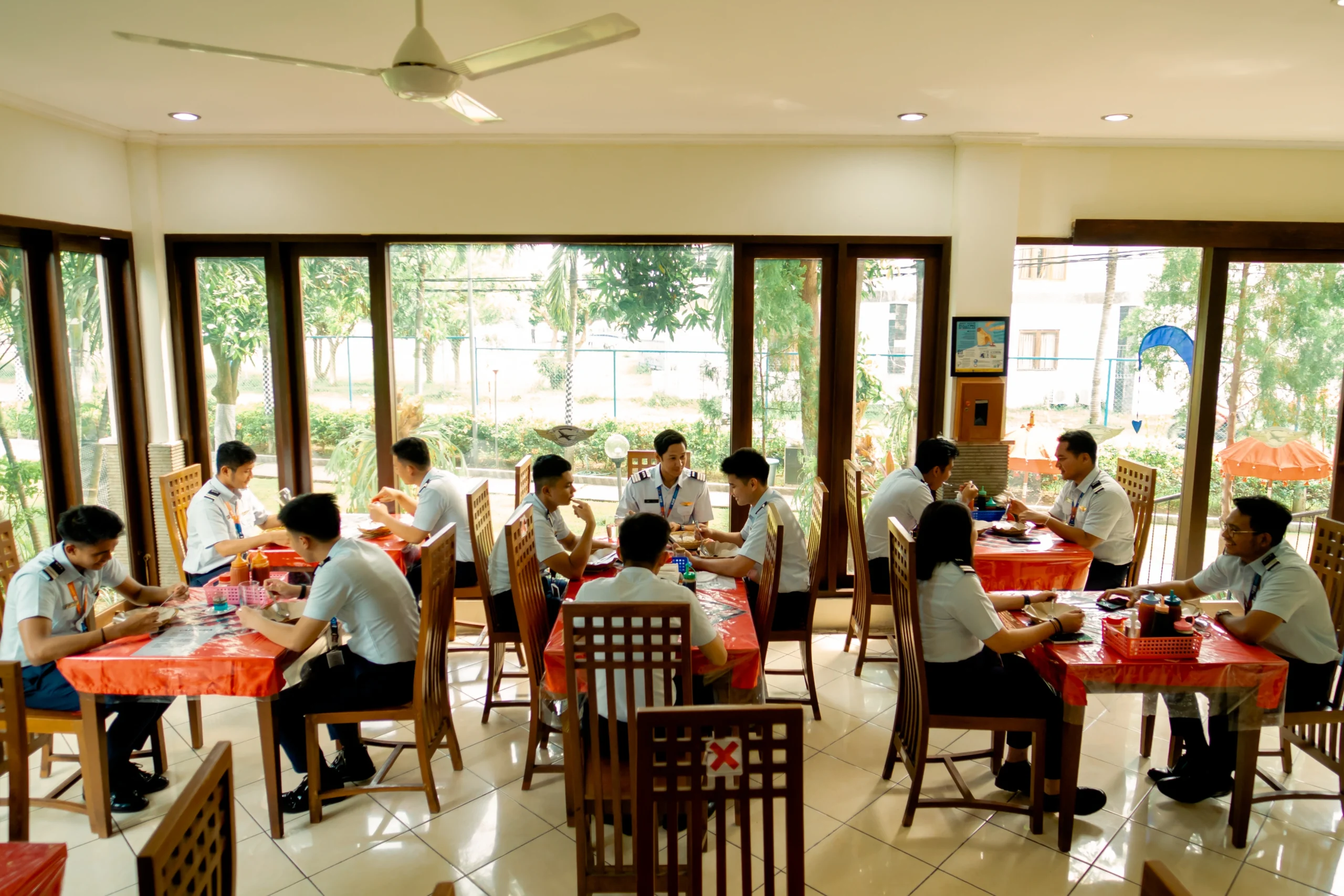
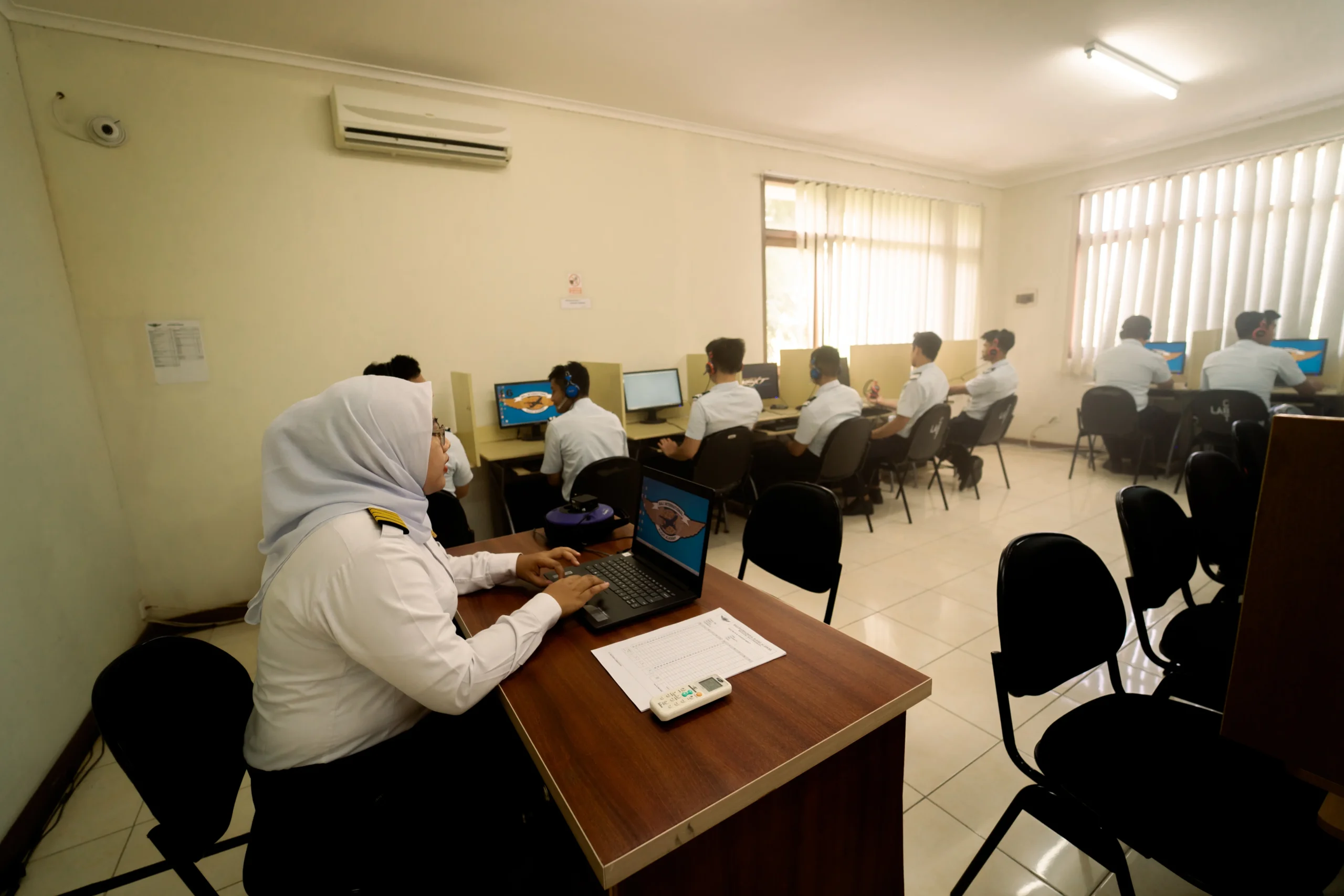
World-Class Facilities Designed for Future Pilot
At BIFA, every aspect of our campus is carefully designed to support your journey from student to professional pilot. We combine modern training infrastructure with a comfortable living environment, ensuring you can focus, learn, and perform at your best.
From well-equipped classrooms and advanced flight simulators to dedicated training aircraft and integrated campus facilities, everything is built to maximize efficiency and hands-on experience.